
What You Need to Know About Utilities When Moving

Moving can be exciting, but if you're renting an apartment for the first time, utilities might feel a little confusing. From understanding what's included in your rent to setting up the right accounts and managing monthly bills, there are a few important things to know before move-in day.
This guide breaks down everything you need to know about utilities so you can avoid surprises, budget confidently, and settle into your home with ease.
What Are Utilities?
Utilities are the essential services that keep your home running smoothly and comfortably. Depending on where you live, utilities may include:
- Electricity
- Natural gas
- Water and sewer services
- Heating
- Garbage and recycling collection
Internet and cable services
Who pays for these services depends on your lease agreement. In many rental communities, some utilities are included in the monthly rent while others are the resident's responsibility.
For example, some Avenue Living communities coordinate utilities on behalf of residents and include services such as heat, water, and garbage collection in the rent. Electricity, internet, or cable services may be separate.
Before you move in, make sure you understand which utilities are included in your rent and which ones you'll need to set up yourself. Knowing this ahead of time can help you build an accurate monthly budget and avoid unexpected expenses.
What Utilities Should You Budget For?
If certain utilities aren't included in your rent, you'll want to factor them into your monthly housing costs. Common expenses can include electricity, natural gas, internet, cable or streaming services, and tenant insurance.
It's also important to remember that utility costs can vary throughout the year. Heating costs are often higher during colder months, while electricity usage may increase during the summer if you're using air conditioning or fans more frequently.
When creating your monthly budget, consider setting aside a little extra for seasonal changes so you're prepared for fluctuations in your utility bills.
When Should You Set Up Utilities?

Image by Elena Shlyapnikova
One of the most common mistakes renters make is waiting until the last minute to arrange utilities. If your utilities are not already active, aim to contact providers at least two weeks before your move-in date. This gives the utility company enough time to establish service and helps ensure everything is ready when you arrive.
Before move-in, confirm:
- Whether utilities are already active
- Your service start date
- Connection fees or deposits
The billing schedule
Also, make sure to ask whether there are any connection fees, deposits, or activation charges. Some providers may require these fees upfront, while others will add them to your first bill.
Don't Forget About Move-Outs
Utilities aren't just something to think about when moving in. Before moving out, contact your providers to schedule disconnections and update your billing address.
It's also a good idea to ask whether there are any cancellation fees and, if you paid a deposit when setting up your account, confirm how and when it will be returned. Taking care of these details early can help make your move-out process much smoother.
How to Set Up Utilities
Setting up utilities is often easier than people expect. In many cases, it can be completed online or with a simple phone call.
When contacting a provider, be prepared to provide your move-in date, your new address, and your contact information. After your account is set up, keep an eye on your mail or email inbox to make sure you're receiving your bills.
If you don't receive a bill after your service is active, contact the provider as soon as possible to confirm everything was set up correctly.
Providers in Alberta
Utilities Consumer Advocate - Retailers and Distributors (alberta.ca)
Providers in Saskatchewan
- Saskatchewan Regulated Energy Providers (EnergyRates.ca)
Providers in Manitoba
- Winnipeg Electricity Providers and Natural Gas Services (EnergyRates.ca)
- Directory of Electric Utilities in Manitoba (CallMePower)
How to Save Money on Utilities

Image by alfexe
Choose the Right Utility Plan
One of the easiest ways to save money starts before you even receive your first bill. Spend some time comparing providers and plans available in your area.
For Alberta residents, tools such as the UCA Cost Comparison Tool can help compare electricity and natural gas plans.
While price is important, it shouldn't be the only factor you consider. Look at administration fees, contract terms, cancellation policies, and any promotional rates that may expire after a few months.
You'll also want to understand the difference between fixed and variable rate plans. Fixed rates provide predictable monthly pricing, while variable rates can change based on market conditions. Choosing the option that best fits your budget can help you avoid unexpected cost increases.
Make the Most of Your Thermostat
Heating is often one of the largest utility expenses for renters, especially during Canadian winters.
If you're responsible for paying heating costs, lowering your thermostat slightly while you're away or asleep can help reduce energy consumption.
Try:
- Lowering your thermostat before you leave for work
- Turning the temperature down slightly at night
- Keeping windows and doors closed during cold weather
Open blinds during sunny winter days to take advantage of natural warmth
Even small thermostat adjustments can lead to noticeable savings over time.
Reduce Electricity Usage
Many everyday habits can help lower your electricity bill. Turning off lights when leaving a room, unplugging electronics that aren't being used, and taking advantage of natural daylight can all help reduce energy consumption.
If your home includes energy-efficient appliances or LED lighting, you're already one step ahead. These products use less energy while still providing the same level of performance.
Use Water More Efficiently
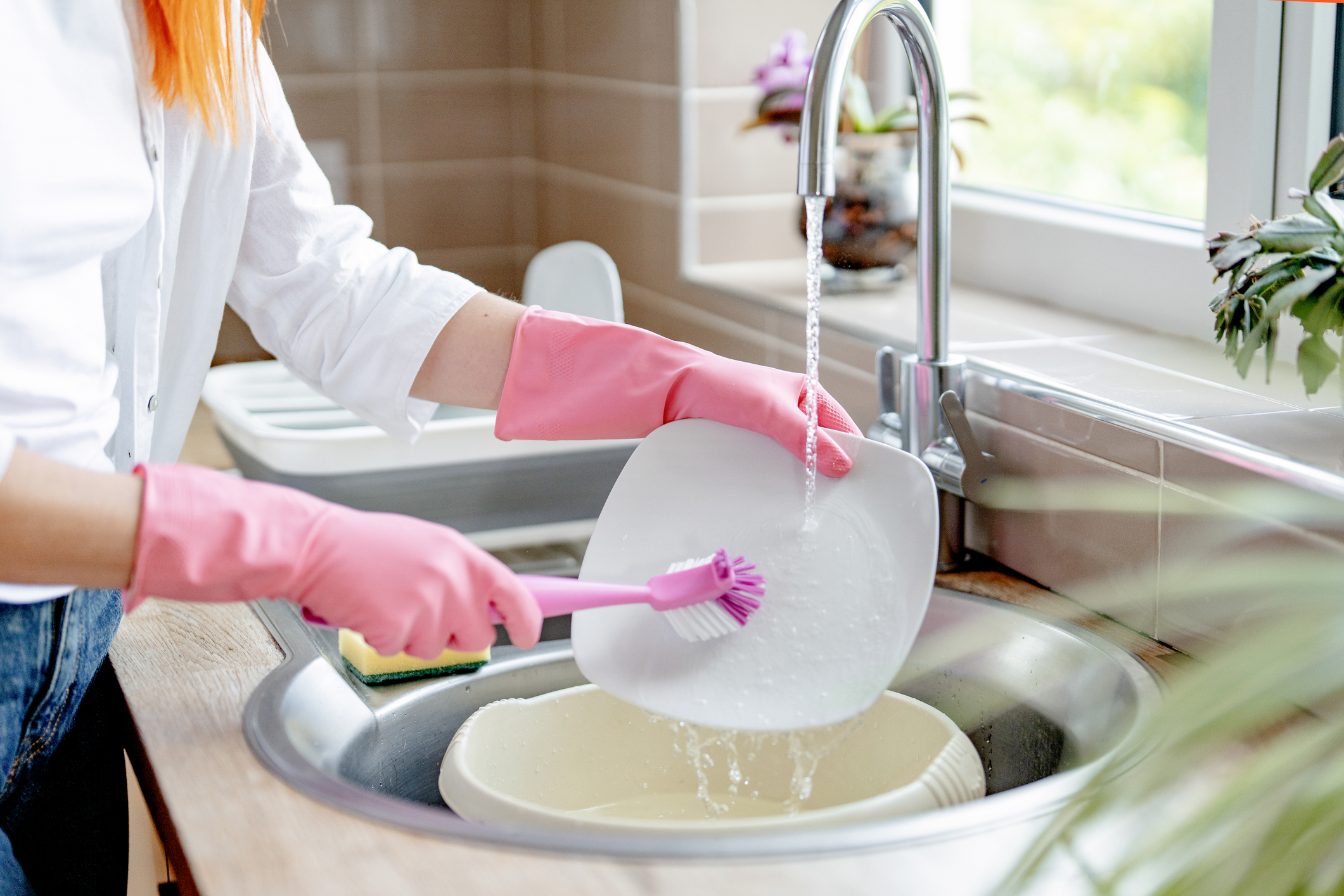
Image by Iryna Melnyk
Water may be included in rent at some rental communities, but using water wisely is still a great habit for both your wallet and the environment.
Simple ways to reduce water use include:
- Taking shorter showers
- Running full loads in dishwashers and washing machines
- Turning off the tap while brushing your teeth
- Using a sink basin when washing dishes by hand
Less water usage often means lower utility costs and less energy used to heat water.
Track Your Monthly Usage
One of the most effective ways to manage utility costs is simply paying attention to them.
Reviewing your monthly bills can help you understand your usage patterns, identify seasonal changes, and catch unusual increases before they become a bigger issue. The more familiar you become with your utility costs, the easier it is to make adjustments and stay within your budget. Looking for more budget tips when renting? Explore our other blog on “Budgeting Tips for Renters.”
Utilities may seem confusing at first, but once you understand what's included in your rent, how to set up services, and how utility bills work, you'll feel much more confident managing your monthly expenses. A little preparation before move-in day can go a long way toward avoiding surprises and helping you enjoy your new home from day one.
If you have questions about utilities in an Avenue Living community, contact our Customer Experience Centre at 1.855.247.1492.